Loading...
Related Footage
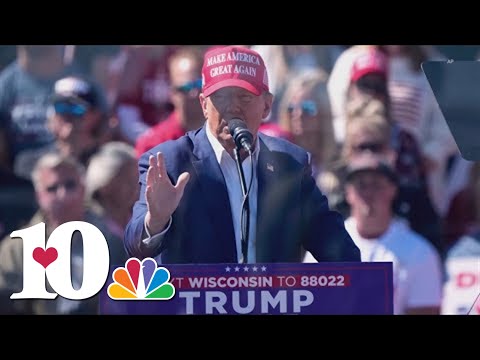
VERIFY: Does former President Donald Trump campaign owe money from past events?
VERIFY: Does former President Donald Trump campaign owe money from past events?
00:01:59 - Youtube video: VBqbXgXJw8w
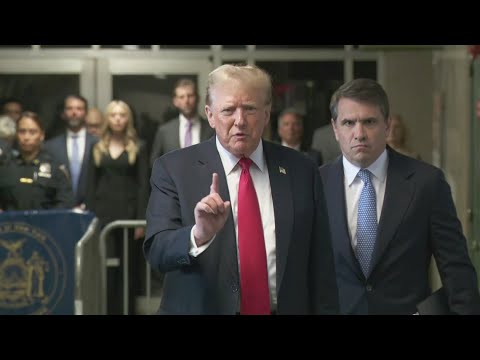
Closing arguments in Trump hush money trial
Closing arguments in Trump hush money trial
00:01:47 - Youtube video: WH3TBErec7Y
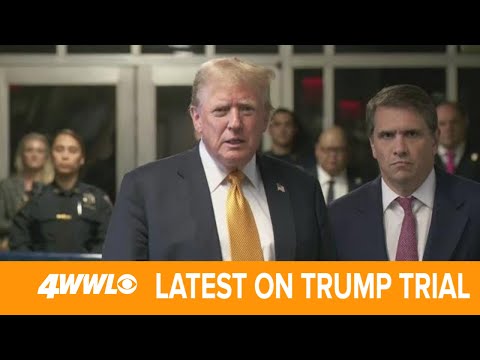
Jury deliberations continue in Trump 'hush money' trial
Jury deliberations continue in Trump 'hush money' trial
00:02:08 - Youtube video: 0brb2ICjLE0

Federal shutdown and your money
Federal shutdown and your money
00:02:17 - Youtube video: mFJbbnsznHg
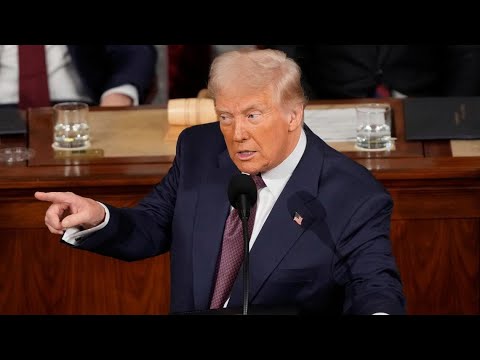
Trump's new tariffs paused for automakers
Trump's new tariffs paused for automakers
00:00:46 - Youtube video: J8RAib3X9SY
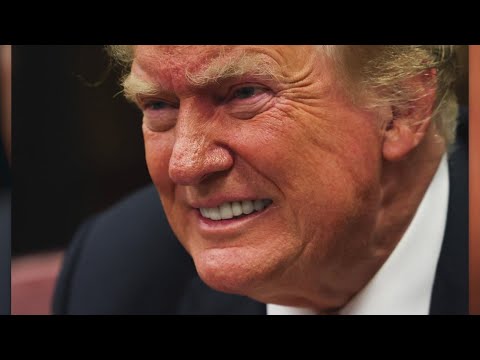
Jury deliberations underway in Trump criminal hush money trial
Jury deliberations underway in Trump criminal hush money trial
00:00:33 - Youtube video: WqL9wSx9CeM
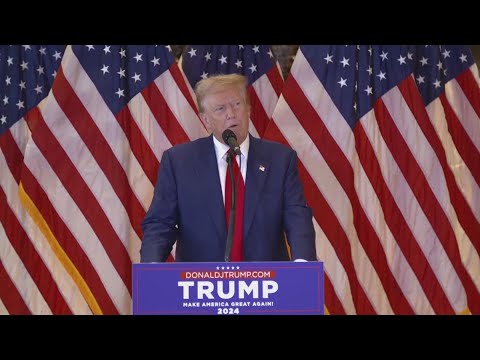
Trump's NY hush money trial delayed by judge
Trump's NY hush money trial delayed by judge
00:00:18 - Youtube video: aXNT4_LqKus
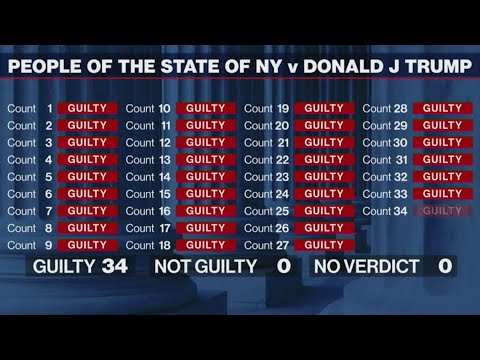
Jury convicts former President Donald Trump on all 34 counts in hush money trial
Jury convicts former President Donald Trump on all 34 counts in hush money trial
00:05:05 - Youtube video: EMOHxrdBHjs