> Trump places 25% tariff on imported autos, expecting to raise $100 billion in tax revenues
Trump places 25% tariff on imported autos, expecting to raise $100 billion in tax revenues
Clip ID 2471378
Clearance
Add to
Share
Add to Review Link
By Request
By Request assets are not available for immediate purchase.
This content has not been pre-checked for copyright.
Per clip rates are for 20 seconds of final usage. If you are using more then 20 seconds or need a different file format or have questions about clearances contact us
Description
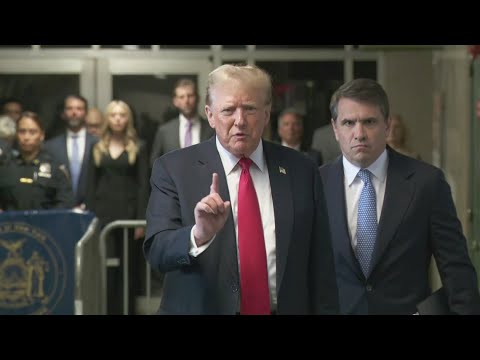
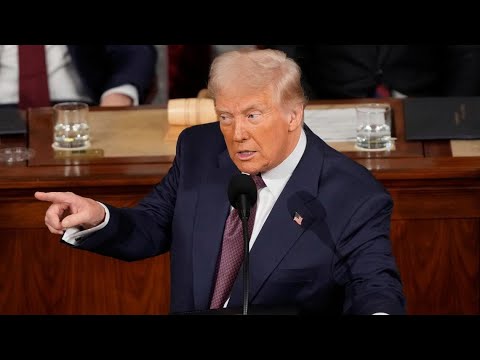
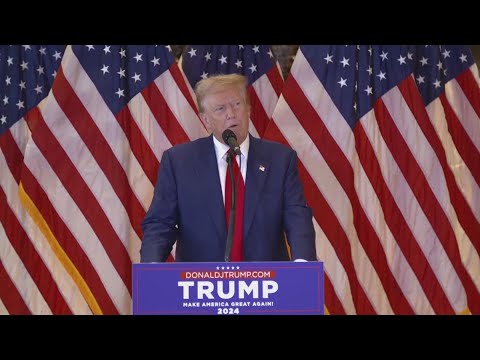
President Donald Trump said Wednesday he was placing 25% tariffs on auto imports, a move the White House claims would foster domestic manufacturing but could also put a financial squeeze on automakers that depend on global supply chains.
“This will continue to spur growth,” Trump told reporters. “We'll effectively be charging a 25% tariff.”
The tariffs, which the White House expects to raise $100 billion in revenue annually, could be complicated as even U.S. automakers source their components from around the world. The tax hike starting in April means automakers could face higher costs and lower sales, though Trump argues that the tariffs will lead to more factories opening in the United States and the end of what he judges to be a “ridiculous” supply chain in which auto parts and finished vehicles are manufactured across the United States, Canada and Mexico.
To underscore his seriousness, Trump said, “This is permanent.”
Shares in General Motors fell roughly 3% in Wednesday trading. Ford's stock was up slightly. Shares in Stellantis, the owner of Jeep and Chrysler, dropped nearly 3.6%.
Trump has long said that tariffs against auto imports would be a defining policy of his presidency, betting that the costs created by the taxes would cause more production to relocate to the United States while helping to narrow the budget deficit. But U.S. and foreign automakers have plants around the world to accommodate global sales while also maintaining competitive prices — and it could take years for companies to design, build and open the new factories that Trump is promising.
"We’re looking at much higher vehicle prices,” said economist Mary Lovely, senior fellow at the Peterson Institute for International Economics. “We’re going to see reduced choice. ... These kinds of taxes fall more heavily on the middle and working class.’’
She said more households will be priced out of the new car market — where prices already average about $49,000 — and will have to hang on to aging vehicles.
If the tariffs are fully passed onto consumers, the average auto price could jump by $12,500, a sum that could feed into overall inflation. Trump returned to the White House after losing the 2020 election in large part because voters believed he could bring down prices.