> Air Quality Alert issued for central Ohio counties
Air Quality Alert issued for central Ohio counties
Clip ID 2277200
Clearance
Add to
Share
Add to Review Link
By Request
By Request assets are not available for immediate purchase.
This content has not been pre-checked for copyright.
Per clip rates are for 20 seconds of final usage. If you are using more then 20 seconds or need a different file format or have questions about clearances contact us
Description
An Air Quality Alert has been issued for some central Ohio counties because of wildfire smoke from Canada being funneled into central Ohio.
The pollution levels in Franklin, Fairfield, Delaware and Licking counties are expected to be unhealthy for sensitive groups. The last time central Ohio experienced unhealthy pollution levels for sensitive groups was in August 2010, according to the Mid-Ohio Regional Planning Commission.
A cold front will move across central Ohio, shifting winds to the north and northwest. The winds will carry dense smoke from eastern Canadian wildfires into the region, further increasing particle pollution levels.
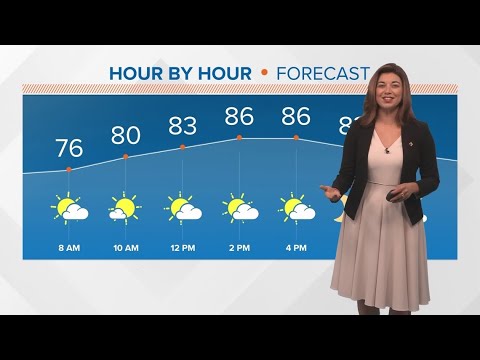
With the mix of partly sunny skies and temperatures being in the low-80s, the air quality will be unhealthy for some groups.
On Wednesday, moderate northerly winds will persist. While these winds will aid dispersion, they will also continue to carry smoke into central Ohio. These conditions will result in high-moderate AQI levels.
What is the Air Quality Index?
The AQI scale is the Environmental Protection Agency’s index for reporting air quality and runs from 0 to 500. The higher the AQI value, the greater the health concern.
When AQI levels reach above 100, air quality is considered unhealthy for sensitive groups. The MORPC then issues an Air Quality Alert.
Tuesday’s rating on the Air Quality Index (AQI scale is 103 and the areas affected by the alert — Franklin, Delaware, Fairfield and Licking counties — is likely experience particle pollution levels that are unhealthy for sensitive groups.
Who is impacted?
Active children, the elderly, and people with asthma and COPD are more likely to suffer an increase in the number and severity of symptoms during an Air Quality Alert.
To decrease the potential for health issues, sensitive groups are urged to limit their outdoor activity or plan outdoor activities for the morning. Those who are experiencing breathing difficulties should consult their doctor.
What actions should you take?
--On Air Quality Alert days, MORPC recommends taking actions to improve air quality. The majority of particle pollution levels come from vehicle emissions and burning activity.
--Explore different commute options such as carpooling.
--Turn off your engine instead of idling your vehicle to cut down on vehicle emissions.
--Avoid burning wood, leaves, and other materials on Alert days and learn more about best wood burning practices.
--Avoid mowing your lawn or using other gas-powered lawn equipment on an Air Quality Alert Day. ---Longer grass in your yard is good for the air and water quality.