> Private company rockets toward the moon in the latest rush of lunar landing attempts
Private company rockets toward the moon in the latest rush of lunar landing attempts
Clip ID 2287077
Clearance
Add to
Share
Add to Review Link
By Request
By Request assets are not available for immediate purchase.
This content has not been pre-checked for copyright.
Per clip rates are for 20 seconds of final usage. If you are using more then 20 seconds or need a different file format or have questions about clearances contact us
Description
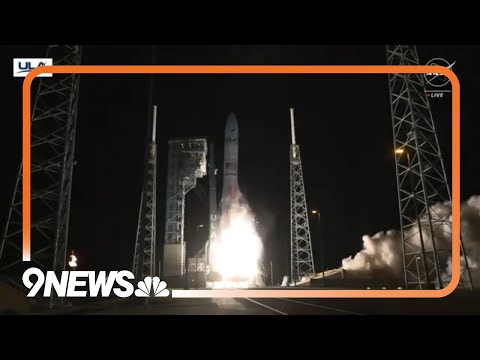
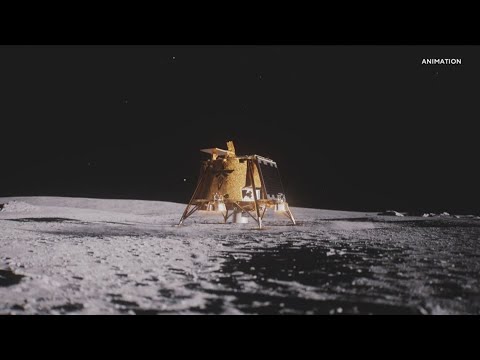
A private company launched another lunar lander Wednesday, aiming to get closer to the moon’s south pole this time with a drone that will hop into a jet-black crater that never sees the sun.
Intuitive Machines’ lander, named Athena, caught a lift with SpaceX from NASA’s Kennedy Space Center. It’s taking a fast track to the moon — with a landing on March 6 — while hoping to avoid the fate of its predecessor, which tipped over at touchdown.
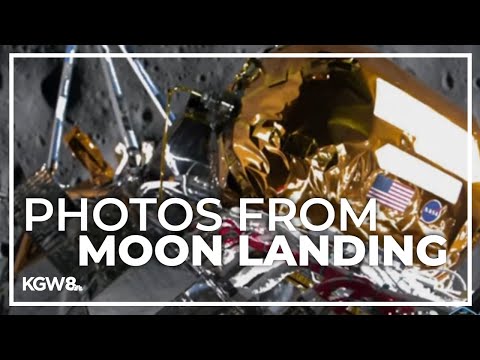
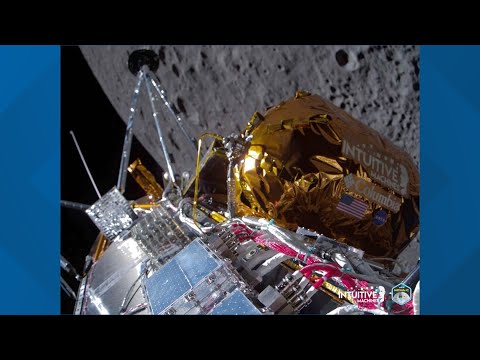
This isn’t Intuitive Machines’ first lunar rodeo. Last year, the Texas company made the first U.S. touchdown on the moon in more than 50 years. But an instrument that gauges distance did not work and the lander came down too hard and broke a leg, tipping onto its side.
Intuitive Machines said it has fixed the issue and dozens of others.
It’s an extraordinarily elite club. Only five countries have pulled off a lunar landing over the decades: Russia, the U.S., China, India and Japan. The moon is littered with wreckage from many past failures.
The 15-foot (4.7-meter) Athena will target a landing 100 miles (160 kilometers) from the lunar south pole. Just a quarter-mile (400 meters) away is a permanently shadowed crater — the ultimate destination for the drone named Grace.
Named after the late computer programming pioneer Grace Hopper, the 3-foot (1-meter) drone will make three increasingly higher and longer test hops across the lunar surface using hydrazine fueled-thrusters for flight and cameras and lasers for navigation.
If those excursions go well, it will hop into the nearby pitch-black crater, an estimated 65 feet (20 meters) deep. Science instruments from Hungary and Germany will take measurements at the bottom while hunting for frozen water.
It will be the first up-close peek inside one of the many shadowed craters dotting both the north and south poles. Scientists suspect these craters are packed with tons of ice. If so, this ice could be transformed by future explorers into water to drink, air to breathe and even rocket fuel.
NASA is paying $62 million to Intuitive Machines to get its drill and other experiments to the moon. The company, in turn, sold space on the lander to others. It also opened up the Falcon rocket to ride-sharing.
Tagalongs included NASA’s Lunar Trailblazer satellite, which will fly separately to the moon over the next several months before entering lunar orbit to map the distribution of water below. Also catching a
ride was a private spacecraft that will chase after an asteroid for a flyby, a precursor to asteroid mining.