Loading...
Related Footage
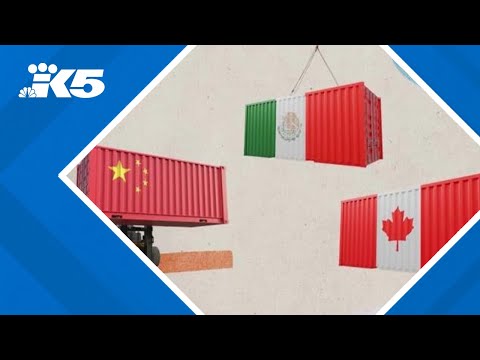
Port of Seattle Commissioner explains the impact of tariffs on consumers
Port of Seattle Commissioner explains the impact of tariffs on consumers
00:02:49 - Youtube video: B6qkS5TwW_s
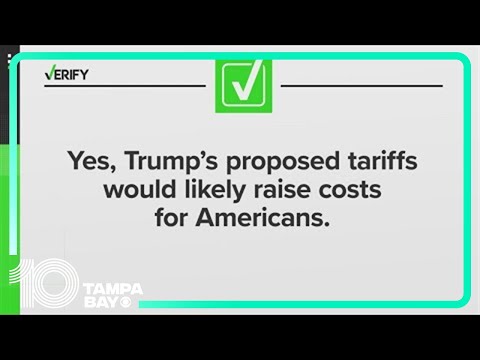
Yes, Trump’s proposed tariffs would raise costs for Americans
Yes, Trump’s proposed tariffs would raise costs for Americans
00:01:54 - Youtube video: YeAc4dOuqE8
Chinese tariffs take effects on US good
Chinese tariffs take effects on US good
00:02:13 - Youtube video: oYvFuGmVVFI

Will you be paying more for Easter chocolate this year? The answer may depend on where you shop
Will you be paying more for Easter chocolate this year? The answer may depend on where you shop
00:02:07 - Youtube video: F8Fh3jlDlek

July 4th fireworks could fizzle for America's 250th birthday if tariffs on Chinese goods don't fall
July 4th fireworks could fizzle for America's 250th birthday if tariffs on Chinese goods don't fall
00:01:47 - Youtube video: ahzDqvTAr44
Trump dismisses Canada as economic partner when asked about upcoming election
Trump dismisses Canada as economic partner when asked about upcoming election
00:03:58 - Youtube video: 7fCdk8UDgqI

The vast majority of US adults are stressed about grocery costs, an AP-NORC poll finds
The vast majority of US adults are stressed about grocery costs, an AP-NORC poll finds
00:01:15 - Youtube video: ObX7FqtUyzg