Loading...
Related Footage

Last Call for Electric Vehicle Tax Credits | San Diego Living
Last Call for Electric Vehicle Tax Credits | San Diego Living
00:04:59 - Youtube video: lYrCCj6O18Y

Fueling Your Family for Back to School | San Diego Living
Fueling Your Family for Back to School | San Diego Living
00:03:58 - Youtube video: CEFnpybaRoo

Level Up Your Tech Set Up | San Diego Living
Level Up Your Tech Set Up | San Diego Living
00:03:30 - Youtube video: gW3FLrh61E0

New Study Reveals Pet Owners Underestimate Lifetime Cost of Care | San Diego Living
New Study Reveals Pet Owners Underestimate Lifetime Cost of Care | San Diego Living
00:04:20 - Youtube video: xfFOYcWS2Zk

Injured in an Accident? Hire a Bulldog Attorney | Batta Fulkerson Law Group, Voted San Diego’s Favor
Injured in an Accident? Hire a Bulldog Attorney | Batta Fulkerson Law Group, Voted San Diego’s Favor
00:04:07 - Youtube video: ZMF9fK_Q2vA

Celebrate Earth Day | San Diego Living
Celebrate Earth Day | San Diego Living
00:02:31 - Youtube video: t-X7L4qS3Ys

Celebrating Earth Month | San Diego Living
Celebrating Earth Month | San Diego Living
00:02:31 - Youtube video: D0npXERV0Pw
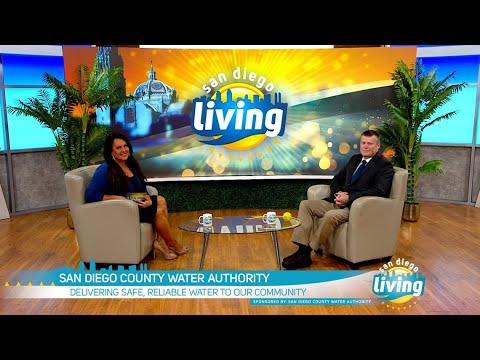
San Diego County Water Authority Keeping Water Pipelines in Top Shape | San Diego Living
San Diego County Water Authority Keeping Water Pipelines in Top Shape | San Diego Living
00:04:59 - Youtube video: WZ0yHn8C020