Loading...
Related Footage
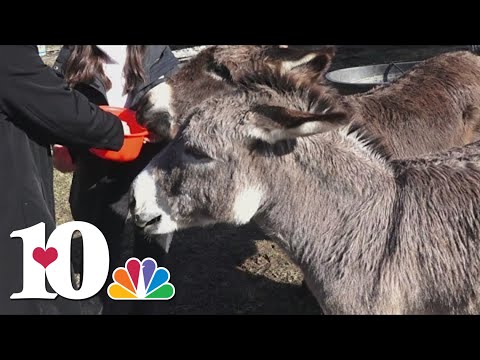
Meet the animals at the Museum of Appalachia
Meet the animals at the Museum of Appalachia
00:02:39 - Youtube video: Enp6BJ5pnUQ
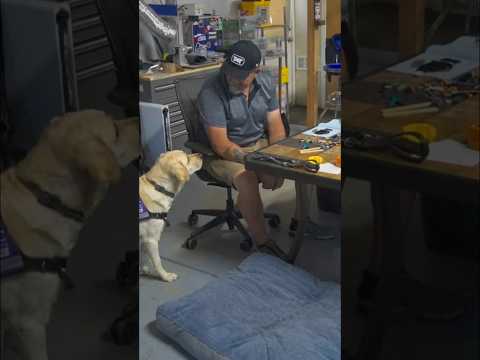
'He saved my life' | Service dog wakes up veteran during silent heart emergency
'He saved my life' | Service dog wakes up veteran during silent heart emergency
00:02:28 - Youtube video: F_ai4ph3xwU
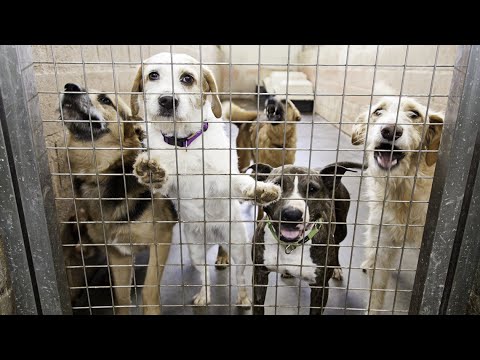
Indianapolis animal shelter waiving impound fees for Thanksgiving weekend
Indianapolis animal shelter waiving impound fees for Thanksgiving weekend
00:00:29 - Youtube video: Iq5XDZdIvaw
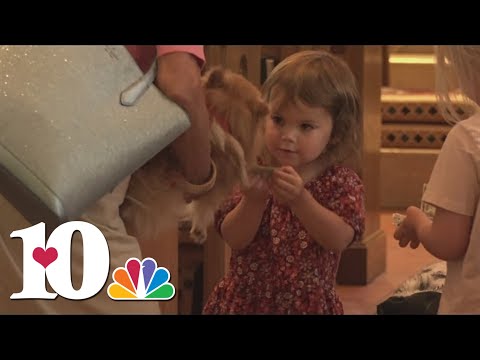
Knoxville church holds the Blessing of the Animals
Knoxville church holds the Blessing of the Animals
00:00:41 - Youtube video: 1G1JpxZnhzc
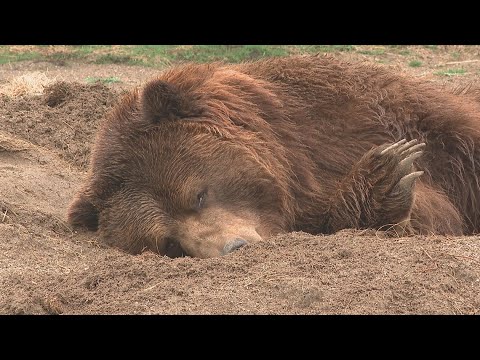
How will animals react to the eclipse? Columbus Zoo to study animals in April
How will animals react to the eclipse? Columbus Zoo to study animals in April
00:02:46 - Youtube video: I7eCSVc2HOE
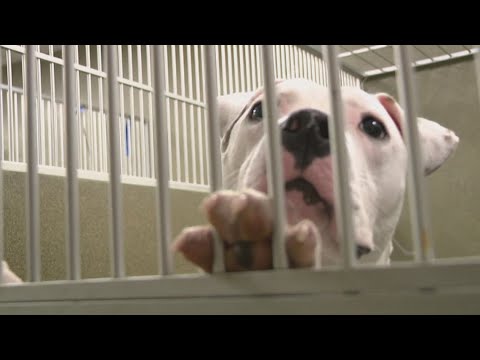
AWLA seeking foster homes for animals as they undergo construction
AWLA seeking foster homes for animals as they undergo construction
00:02:03 - Youtube video: IA5_rLUoSH8
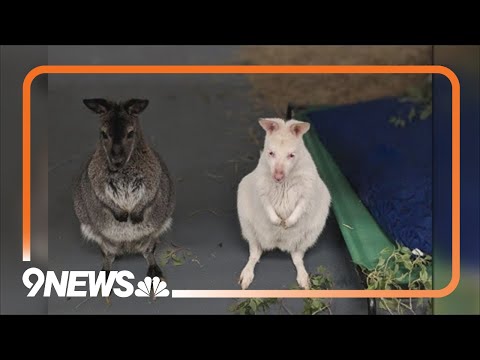
Denver Zoo rescues 130 animals from closed SeaQuest aquarium
Denver Zoo rescues 130 animals from closed SeaQuest aquarium
00:00:56 - Youtube video: PxP5nBJfMlQ
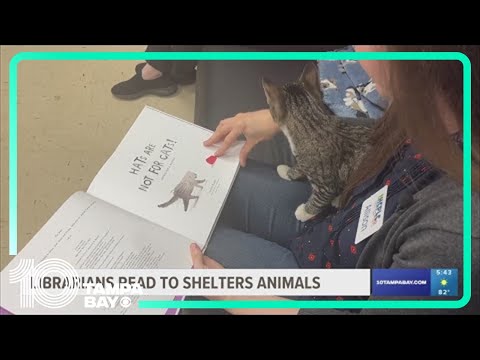
Hillsborough County librarians read to shelter animals
Hillsborough County librarians read to shelter animals
00:01:36 - Youtube video: jxUCSjX8QKc