Loading...
Related Footage
Ask Pat Sullivan your lawn care questions
Ask Pat Sullivan your lawn care questions
00:03:33 - Youtube video: M8Sm3r6NcbY
Home & Garden with Pat Sullivan: Answering viewer questions
Home & Garden with Pat Sullivan: Answering viewer questions
00:03:55 - Youtube video: Dhrw_EFbEVo
Pat Sullivan's tips on the proper way to plant your bulbs
Pat Sullivan's tips on the proper way to plant your bulbs
00:03:36 - Youtube video: q65ENVHsxl8
Pat Sullivan's tips for dealing with animals damaging your garden, lawn
Pat Sullivan's tips for dealing with animals damaging your garden, lawn
00:03:28 - Youtube video: JwLF-EJGtn8
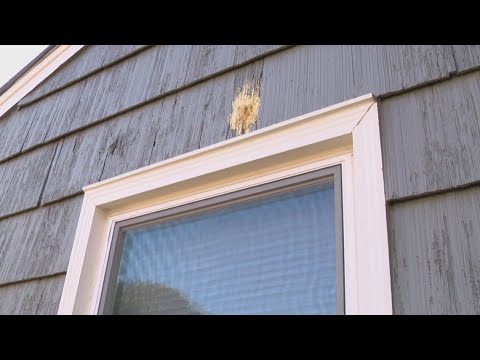
Pat Sullivan's tips for preparing your home for winter
Pat Sullivan's tips for preparing your home for winter
00:03:41 - Youtube video: RxTHAX_8DT0
HGTV duo speaking at Tacoma Home and Garden Show talk wallpaper, tile
HGTV duo speaking at Tacoma Home and Garden Show talk wallpaper, tile
00:04:14 - Youtube video: aGOXEKQLj44
HGTV’s Unsellable Houses co-hosts to speak at Tacoma Home and Garden Show
HGTV’s Unsellable Houses co-hosts to speak at Tacoma Home and Garden Show
00:02:47 - Youtube video: 2D6HbNUuAW4
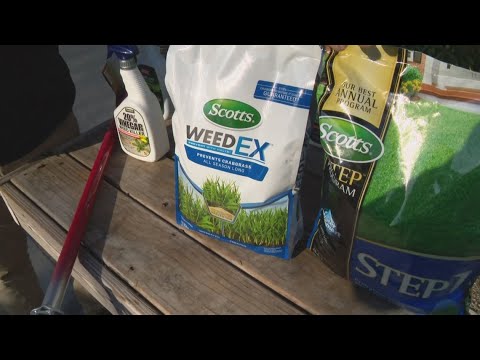
Pat Sullivan's tips for dealing with weeds this spring
Pat Sullivan's tips for dealing with weeds this spring
00:03:37 - Youtube video: Z4MOrwH-09w