> Trump announces 'reciprocal' tariffs in a risky move that could reshape the economy
Trump announces 'reciprocal' tariffs in a risky move that could reshape the economy
Clip ID 2471234
Clearance
Add to
Share
Add to Review Link
By Request
By Request assets are not available for immediate purchase.
This content has not been pre-checked for copyright.
Per clip rates are for 20 seconds of final usage. If you are using more then 20 seconds or need a different file format or have questions about clearances contact us
Description
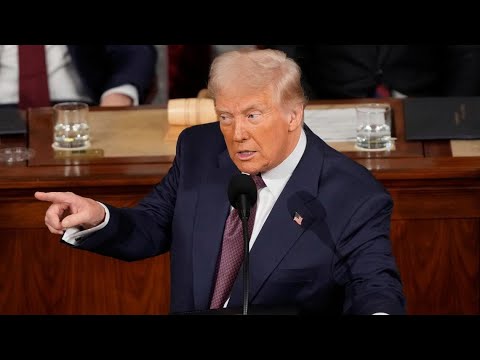
President Donald Trump declared on Wednesday a 10% baseline tax on imports from all countries and higher tariff rates on dozens of nations that run trade surpluses with the United States, threatening to upend much of the architecture of the global economy and trigger broader trade wars.
Trump held up a chart while speaking at the White House, showing the United States would charge a 34% tax on imports from China, a 20% tax on imports from the European Union, 25% on South Korea, 24% on Japan and 32% on Taiwan.
The president used aggressive rhetoric to describe a global trade system that the United States helped to build after World War II, saying “our country has been looted, pillaged, raped, plundered” by other nations.
Trump declared a national economic emergency to launch the tariffs, expected to produce hundreds of billions in annual revenues. He has promised that factory jobs will return back to the United States as a result of the taxes, but his policies risk a sudden economic slowdown as consumers and businesses could face sharp price hikes on autos, clothes and other goods.
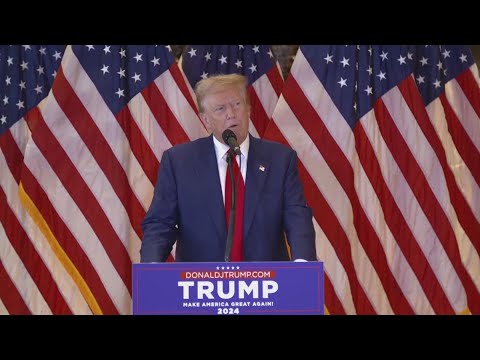
“Taxpayers have been ripped off for more than 50 years," Trump said in remarks at the White House. "But it is not going to happen anymore.”
Trump was fulfilling a key campaign promise as he imposed what he called “reciprocal” tariffs on trade partners, acting without Congress through the 1977 International Emergency Powers Act in an extraordinary attempt to both break and ultimately reshape America’s trading relationship with the world.
The president's higher rates would hit foreign entities that sell more goods to the United States than they buy, meaning the tariffs could stay in place for some time as the administration expects other nations to lower their tariffs and other barriers to trade that it says have led to a $1.2 trillion trade imbalance last year.
The tariffs follow similar recent announcements of 25% taxes on auto imports; levies against China, Canada and Mexico; and expanded trade penalties on steel and aluminum. Trump has also imposed tariffs on countries that import oil from Venezuela and he plans separate import taxes on pharmaceutical drugs, lumber, copper and computer chips.