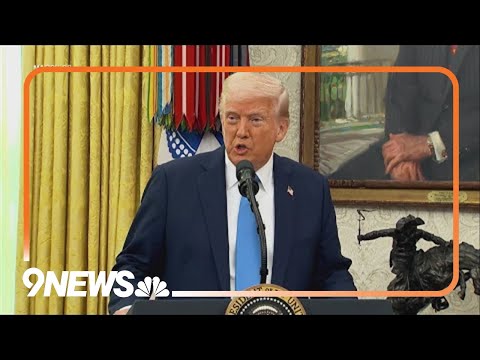
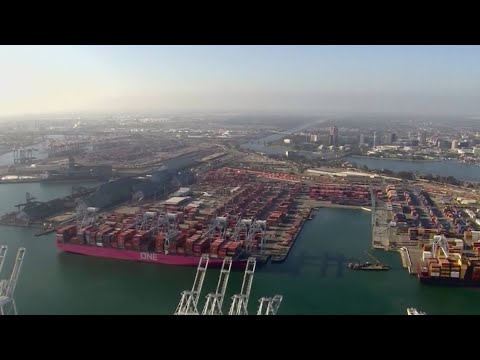
> President Trump announces new 'reciprocal' tariffs
President Trump announces new 'reciprocal' tariffs
Clip ID 2471235
Clearance
Add to
Share
Add to Review Link
By Request
By Request assets are not available for immediate purchase.
This content has not been pre-checked for copyright.
Per clip rates are for 20 seconds of final usage. If you are using more then 20 seconds or need a different file format or have questions about clearances contact us
Description
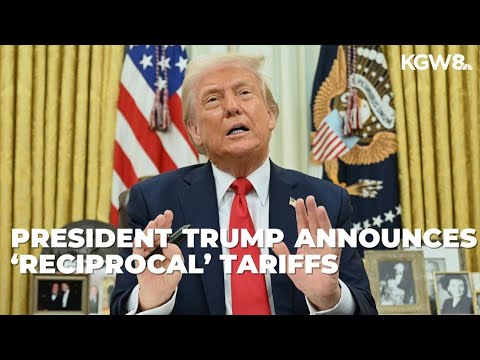
After weeks of White House hype and public anxiety, President Donald Trump is set on Wednesday to announce a barrage of what he calls reciprocal tariffs on friend and foe alike.
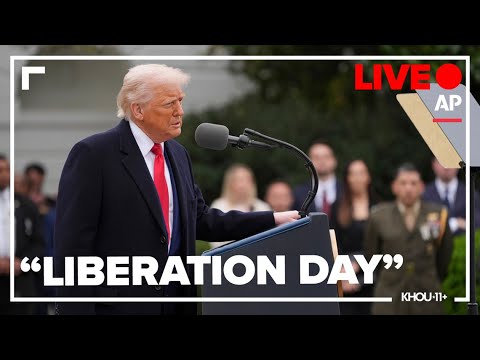
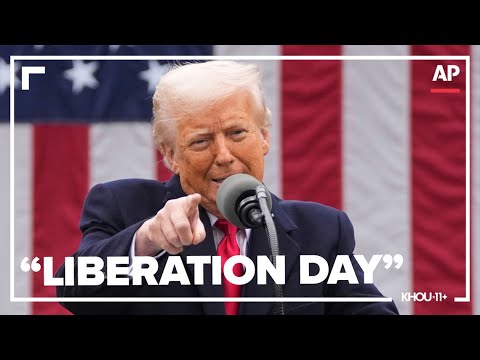
The new tariffs, coming on what Trump has named “Liberation Day,” are a bid to boost U.S. manufacturing and punish other countries for what he says are years of unfair trade practices. But by most economists’ assessments, the move threatens to plunge the economy into a downturn and upend decades-old alliances.
The White House is exuding confidence despite the political and financial gamble.
“April 2, 2025, will go down as one of the most important days in modern American history,” White House press secretary Karoline Leavitt said Tuesday. She said the new tariffs would take effect immediately.
Details of Trump's tariff plans were unclear hours before the president's scheduled afternoon speech. The S&P 500 stock index was up slightly in Wednesday trading as investors hoped to have more certainty about his agenda.
The tariffs are expected to follow similar recent announcements of 25% taxes on auto imports; levies against China, Canada and Mexico; and expanded trade penalties on steel and aluminum. Trump has also imposed tariffs on countries that import oil from Venezuela and he plans separate import taxes on pharmaceutical drugs, lumber, copper and computer chips.
None of the warning signs about a falling stock market or consumer sentiment turning morose has caused the administration to publicly second-guess its strategy.
White House trade adviser Peter Navarro has suggested the new tariffs would raise $600 billion annually, which would be the largest tax increase since World War II. Treasury Secretary Scott Bessent told lawmakers the tariffs would be capped and could be negotiated downward by other countries, according to the office of Rep. Kevin Hern, R-Okla.
Importers would likely pass along some of the cost of the taxes on to consumers. The Budget Lab at Yale University estimates that a 20% universal tariff would cost the average household an additional $3,400 to $4,200.
The Republican administration's premise is that manufacturers will quickly increase domestic production and create factory jobs.
Based on the possibility of broad 20% tariffs that have been floated by some White House aides, most analyses see an economy tarnished by higher prices and stagnation. U.S. economic growth, as measured by gross domestic product, would be roughly a percentage point lower, and clothing, oil, automobiles, housing, groceries and even insurance would cost more, the Budget Lab analysis found.
Trump would be applying these tariffs on his own; he has ways of doing so without congressional approval. That makes it easy for Democratic lawmakers and policymakers to criticize the administration if the uncertainty expressed by businesses and declining consumer sentiment are signs of trouble to come.
Heather Boushey, a member of the Biden White House's Council of Economic Advisers, noted that the less aggressive tariffs Trump imposed during his first term failed to stir the manufacturing renaissance he promised voters.