Loading...
Related Footage
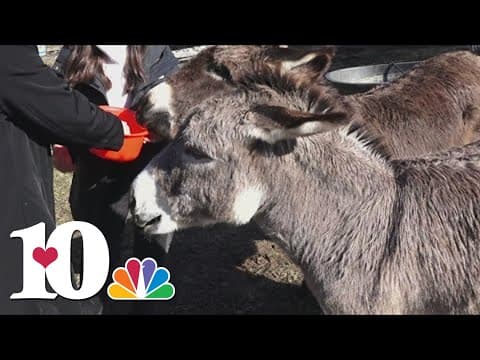
Meet the animals at the Museum of Appalachia
Meet the animals at the Museum of Appalachia
00:02:39 - Youtube video: Enp6BJ5pnUQ

Oregon teen builds haven for rescued farm animals
Oregon teen builds haven for rescued farm animals
00:02:16 - Youtube video: _vnL3KLxNaI

Beautiful People: Karey takes care of dogs with serious medical issues
Beautiful People: Karey takes care of dogs with serious medical issues
00:04:38 - Youtube video: xgRB7UNzpZg
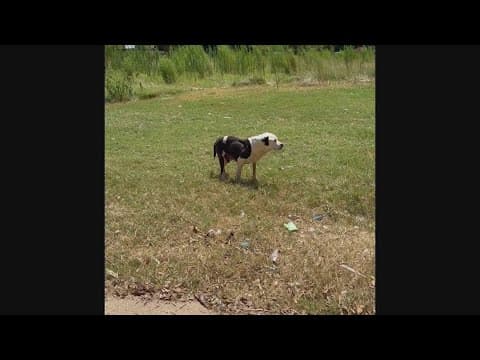
Celebrating the life of a donor dog
Celebrating the life of a donor dog
00:02:36 - Youtube video: CpLFLdSOODc

Meet Junebug. She could be your Pawfect Match!
Meet Junebug. She could be your Pawfect Match!
00:00:46 - Youtube video: 4x6YhuXu0Dg

'Save This Life' pet microchip company shuts down, how to know if your pet is still protected
'Save This Life' pet microchip company shuts down, how to know if your pet is still protected
00:00:38 - Youtube video: MkishfdQYeU
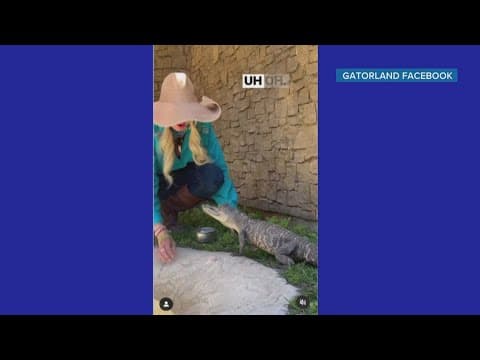
Jawless gator living her 'best life' after being rescued 2 years ago
Jawless gator living her 'best life' after being rescued 2 years ago
00:00:26 - Youtube video: DHhbm-14pjY
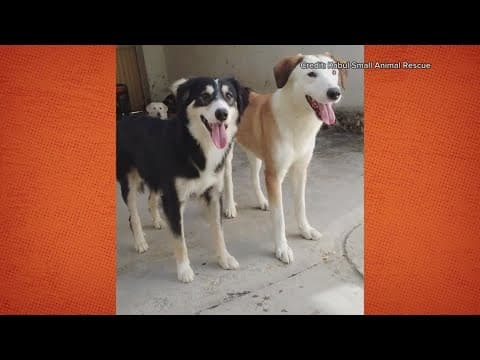
How to help hundreds of rescue animals flying to the U.S.
How to help hundreds of rescue animals flying to the U.S.
00:01:21 - Youtube video: ULHzrXxTelA