> President Trump signs 'Take It Down Act' as Melania Trump leads advocacy effort
President Trump signs 'Take It Down Act' as Melania Trump leads advocacy effort
Clip ID 2499854
Clearance
Add to
Share
Add to Review Link
By Request
By Request assets are not available for immediate purchase.
This content has not been pre-checked for copyright.
Per clip rates are for 20 seconds of final usage. If you are using more then 20 seconds or need a different file format or have questions about clearances contact us
Description
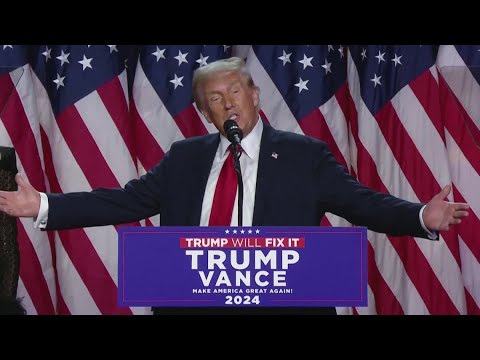
President Donald Trump, alongside his wife, Melania, on Monday signed the Take It Down Act, a measure the first lady helped usher through Congress to set stricter penalties for the distribution of non-consensual intimate imagery online, or “revenge porn.”
In March, Melania Trump used her first public appearance since resuming the role of first lady to travel to Capitol Hill to lobby House members to pass the bill following its approval by the Senate.
White House press secretary Karoline Leavitt told reporters earlier Monday that the first lady was “instrumental in getting this important legislation passed.”
The bill makes it a federal crime to “knowingly publish” or threaten to publish intimate images without a person’s consent, including AI-created “deepfakes.” Websites and social media companies will be required to remove such material within 48 hours after a victim requests it. The platforms must also take steps to delete duplicate content.
Many states have already banned the dissemination of sexually explicit deepfakes or revenge porn, but the Take It Down Act is a rare example of federal regulators imposing on internet companies.
The bill, sponsored by Sens. Ted Cruz, R-Texas, and Amy Klobuchar, D-Minn., received overwhelming bipartisan support in Congress, passing the House in April by a 409-2 vote and clearing the Senate by unanimous consent.
But the measure isn't without critics. Free speech advocates and digital rights groups say the bill is too broad and could lead to censorship of legitimate images, including legal pornography and LGBTQ content. Others say it could allow the government to monitor private communications and undermine due process.
The first lady appeared at a Capitol Hill roundtable with lawmakers and young women who had explicit images of them put online, saying it was “heartbreaking” to see what teenagers and especially girls go through after this happens to them. She also included a victim among her guests for the president's address to a joint session of Congress the day after that meeting.
After the House passed the bill, Melania Trump called the bipartisan vote a “powerful statement that we stand united in protecting the dignity, privacy and safety of our children.”
Her advocacy for the bill is a continuation of the Be Best campaign she started in the president's first term, focusing on children's well-being, social media use and opioid abuse.