Loading...
Related Footage
Boomtown: Why Austin?
Boomtown: Why Austin?
00:11:11 - Youtube video: z4TcET48lxs
This Week in Boomtown: Ohio Chamber Future Forum; Pike County uranium plant expansion
This Week in Boomtown: Ohio Chamber Future Forum; Pike County uranium plant expansion
00:24:45 - Youtube video: 9reS8TGvx44

Boomtown: Comparing Columbus to Austin; lessons for central Ohio as the region grows
Boomtown: Comparing Columbus to Austin; lessons for central Ohio as the region grows
00:13:56 - Youtube video: -JbgbN0D_Wo
This Week in Boomtown: Biggest Ohio jobs deal; 2025 economic forecast; traffic solutions
This Week in Boomtown: Biggest Ohio jobs deal; 2025 economic forecast; traffic solutions
00:20:55 - Youtube video: NiwqljjleDI
This Week in Boomtown: New changes come to Ohio State Fair
This Week in Boomtown: New changes come to Ohio State Fair
00:18:00 - Youtube video: UALw7WpLuqQ
This Week in Boomtown: Intel's future; first space park lands at Ohio State; central Ohio's AI boom
This Week in Boomtown: Intel's future; first space park lands at Ohio State; central Ohio's AI boom
00:19:00 - Youtube video: jXKoPUiDR6k
This Week in Boomtown: Future of tech in central Ohio; solutions to end homelessness; public art pla
This Week in Boomtown: Future of tech in central Ohio; solutions to end homelessness; public art pla
00:16:29 - Youtube video: oMbAYuQceag
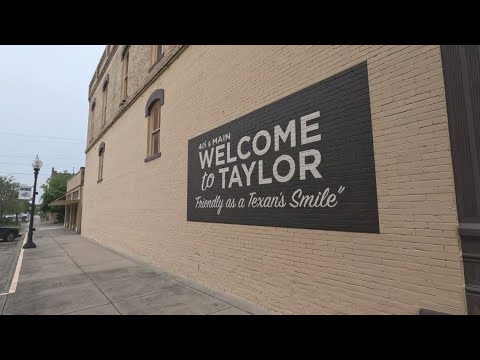
How this Texas town may be a model for growth strategies in central Ohio
How this Texas town may be a model for growth strategies in central Ohio
00:03:32 - Youtube video: RU4nyHfkwoU