Description
The Federal Reserve kept its key rate unchanged for the fourth straight meeting Wednesday, and officials expect inflation to worsen in the coming months.
However, the central bank still foresees two interest rate cuts by the end of this year, the same as officials projected in March.
The Fed said the economy is expanding at “a solid pace." Changes to the Fed's rate typically — though not always — influence borrowing costs for mortgages, auto loans, credit cards, and business loans.
The central bank also released its latest quarterly projections for the economy and interest rates. It expects noticeably weaker growth, higher inflation, and slightly higher unemployment by the end of this year than it had forecast in March, before President Donald Trump announced sweeping tariffs April 2. Most of those duties were then postponed April 9. The Fed also signaledit would cut rates just once in 2026, down from two cuts projected in March.
Fed officials see inflation, according to its preferred measure, rising to 3% by the end of this year, from 2.1% in April. It also projects the unemployment rate will rise to 4.5%, from 4.2% currently. Growth is expected to slow to just 1.4% this year, down from 2.5% last year.
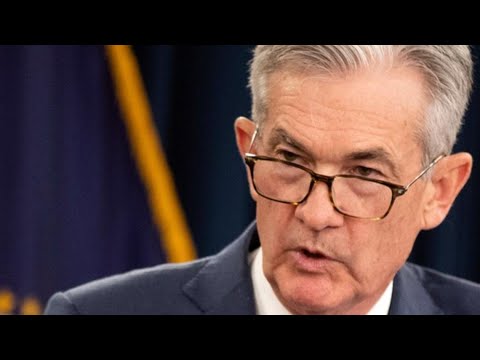
Despite the gloomier outlook, Fed chair Jerome Powell and other officials have underscored that they are holding off from any changes to their key rate because of the uncertainty surrounding the impact of the tariffs and economic outlook. Many of the Fed's policymakers have expressed particular concern that the duties could boost prices, creating another surge of inflation just a couple of years after the worst inflation spike in four decades.
Inflation has been cooling since January, and many economists say that without the higher import taxes, the Fed would likely be cutting its rate further. According to the Fed's preferred measure, inflation dropped to just 2.1% in April, the lowest since last September. Core inflation — which exclude the volatile food and energy categories — was 2.5%.
Those figures suggest inflation is largely coming under control, for now. Yet the Fed's short-term interest rate remains at an elevated level intended to slow growth and inflation. Some economists argue that with inflation cooling, the Fed could resume its rate reductions.
When the Fed reduces its rate, it often — though not always — leads to lower costs for consumer and business borrowing, including for mortgages, auto loans, and credit cards. Yet financial markets also influence the level of longer-term rates and can keep them elevated even if the Fed reduces the shorter-term rate it controls.
But Fed officials have said they want to see whether Trump's tariffs boost inflation and for how long. Economists generally believe a tariff hike should at least lead to a one-time increase in prices, as companies seek to offset the cost of higher duties. Many Fed officials, however, are worried that the tariffs could lead to more sustained inflation.
The Trump White House has sharply ramped up pressure on Powell to reduce borrowing costs, with Trump himself calling the Fed chair a “numbskull” last week for not cutting. Other officials, including Vice President JD Vance and Commerce Secretary Howard Lutnick, are also calling for a rate reduction.
The Bank of England has cut its rate twice this year but is expected to keep it unchanged at 4.25% when it meets Thursday.